
What Defines the Current Look of Modern Interiors?
2025 Home Design Trends That Will Transform Every Room in Your House
Home design trends are simply the ever-evolving set of popular styles, colors, materials, and layouts that shape how we decorate and live in our spaces, and when you embrace them, they breathe fresh life into your everyday comfort. These trends work by guiding your choices—like mixing warm neutrals with organic textures or prioritizing flexible, multipurpose rooms—so you can create a home that feels both current and uniquely yours. The real benefit is that following a trend doesn’t mean copying a catalog; it means borrowing its *core ideas to solve your own practical needs* while keeping your space joyful and inviting.
What Defines the Current Look of Modern Interiors?
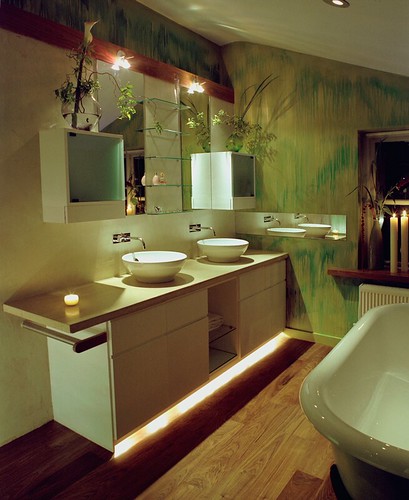
The current look of modern interiors is defined by a warm minimalism that trades stark whites for layered neutrals, organic textures, and curved silhouettes. Think sculptural bouclé sofas beside raw oak tables, with matte black fixtures adding quiet contrast. The trend rejects rigid order, favoring «lived-in luxury» through mixed materials like limewash plaster, travertine, and brushed brass.
A key insight is that modern spaces now prioritize tactile depth over flat perfection, using rounded archways and statement lighting to soften geometry.
This means the palette shifts from sterile to earthy—cream, terracotta, sage—while built-in shelving and hidden storage keep surfaces uncluttered. The result is a calm, gallery-like backdrop that feels personal, not staged, with every piece chosen for both function and sensory appeal.
Key Visual Cues That Signal a Space Is Up-to-Date
A space reads as current through a deliberate edit of material and form. Key visual cues that signal a space is up-to-date include plinth-style furniture with exposed legs, which creates visual lightness, and the absence of matching suites. Slim-profile window frames and flush, handleless cabinetry point to a streamlined, integrated aesthetic. Layered lighting—recessed spots combined with sculptural pendants—replaces a single overhead source. The palette shifts toward warm neutrals (greige, soft clay) with tactile contrast between matte limewash walls, honed stone, and bouclé upholstery. Visible hardware is minimized or mixed in unlacquered brass. Curved sofas and rounded tables counterbalance hard architectural lines. Large-format porcelain or microcement flooring, without transition strips, implies a continuous, uncluttered surface.
- Flush baseboards and hidden door frames (no visible casing) signal a custom, modern finish.
- Open shelving with only curated, imperfect ceramics—not mass-produced decor—indicates intentional styling.
- Integrated smart controls or discreet charging ports built into tables suggest tech-forward convenience without visual clutter.
- Full-height, frosted or fluted glass partitions replace solid walls for light diffusion and privacy.
How Material Choices Shape the Overall Aesthetic
Material choices are the silent architects of a room’s mood, dictating whether a space feels grounded, airy, or luxurious. Texture layering—combining raw limewash plaster with sleek terrazzo or matte oak with brushed brass—creates the tactile depth that defines contemporary interiors. Heavy velvet drapes soften the hard edges of polished concrete floors, while fluted glass diffuses light into a gentle glow, making a corridor feel sculptural. Conversely, a mono-material palette of warm microcement can unify a tiny apartment, turning it into a seamless, calming cocoon. Ultimately, you are not decorating surfaces; you are choosing how light bounces, how shadows fall, and how a hand feels against a wall. Q: How do material choices shape the overall aesthetic? A: They forge the emotional temperature and visual rhythm of a room, transforming a functional shell into a sensory experience.
How to Blend Bold Color Palettes Without Overwhelming a Room
Blending bold color palettes starts with committing to a 60-30-10 rule, where a dominant neutral anchors the room and vibrant hues appear in deliberate pops. In current home design trends, jewel-toned sofas or terracotta accent walls work beautifully when balanced by natural wood and creamy whites. To avoid overwhelm, pair saturated shades with textured neutrals like linen or bouclé, which visually soften intensity. Another trick is to echo one bold color in small accessories—like a lamp or art frame—so the palette feels cohesive rather than chaotic. Bold color palettes without overwhelming a room thrive on contrast and negative space, so leave some walls bare and let sunlight do the heavy lifting. Finally, test swatches in actual lighting; trends like “dopamine decorating” only work if the energy feels joyful, not exhausting.
Choosing Accent Shades That Complement Your Existing Furniture
Anchor your bold palette by pulling accent shades directly from the undertones already living in your sofa, rug, or wood finishes. Examine whether your furniture leans warm or cool, then select a complementary hue—like a deep terracotta for honeyed oak or a dusty teal for gray velvet—to create instant cohesion. Test fabric swatches against your largest pieces in natural light, as this reveals true color harmony. This strategic approach ensures your accents feel intentional rather than random, allowing vibrant pillows or a painted sideboard to energize the space without clashing. Ultimately, complementary accent coordination transforms existing investments into the foundation for a layered, confident look.
Where to Apply Deep Tones for Maximum Visual Impact

For maximum visual impact, anchor deep tones to architectural features that naturally draw the eye, starting with a single accent wall behind the bed or sofa. This creates a focal point without enclosing the space. Apply darker hues to built-in shelving or a window frame to add depth and make the surrounding lighter walls recede. Consider painting the lower half of a wall, wainscoting style, to ground the room while keeping the upper area airy. Cabinetry, especially in a kitchen or bathroom, benefits from deep shades, transforming storage into a statement. Finally, use deep-toned textiles like a substantial area rug or upholstered headboard to introduce richness at a human level, ensuring the bold color feels intentional and grounded. Strategic accent wall placement remains the most effective starting point.

Practical Ways to Integrate Sustainable and Natural Materials
Choose reclaimed timber for feature walls and ceiling beams to instantly infuse warmth while diverting wood from landfills; pair it with low-VOC clay plaster on adjoining surfaces for a breathable, textural contrast that regulates indoor humidity naturally. Swap synthetic upholstery for woven hemp or linen on sofas and headboards, and ground the space with jute or sisal rugs—these fibers are rapidly renewable and biodegradable. For countertops and tiles, opt for recycled glass or crushed stone mixed with natural binders, which offer durability without quarrying virgin materials. Even a single statement piece—like a live-edge oak dining table or a cork-tiled backsplash—can shift a room’s entire environmental footprint without sacrificing modern aesthetics. Layer in wool throws and bamboo window shades to complete the tactile, earth-driven palette.
Selecting Durable, Eco-Friendly Flooring and Textiles
Selecting durable, eco-friendly flooring and textiles starts with prioritizing rapidly renewable or recycled content. For floors, opt for solid hardwood certified by the Forest Stewardship Council, or bamboo and cork, which regenerate quickly and withstand heavy foot traffic. Choose natural wool or organic cotton rugs with jute or hemp backing, avoiding synthetic blends that shed microplastics. To ensure longevity, follow this sequence: first, assess room moisture and sunlight exposure; second, match material density to traffic levels, like dense wool for hallways; third, verify low-VOC adhesives or mechanical fasteners; finally, finish with plant-based sealants. This approach yields resilient, low-impact surfaces that age gracefully and remain recyclable at end of life.
Using Wood and Stone Finishes to Add Warmth and Texture
To introduce natural texture pairings, combine reclaimed oak planks with honed limestone on a single feature wall—the wood’s grain softens the stone’s cool density, while the stone’s matte surface prevents the timber from feeling rustic. For floors, lay wide-plank walnut beside large-format travertine tiles, using a 3–4 mm expansion gap to accommodate seasonal movement. On kitchen islands, apply a flamed granite backsplash against a live-edge cedar countertop, sealing both with plant-based oils to repel moisture. In bathrooms, pair vertical shou-sugi-ban cedar with stacked slate around a vanity to create thermal contrast that feels deliberate, not chaotic.
What Are the Most Functional Layouts for Open-Concept Living?
The most functional open-concept layouts prioritize **zoned circulation** over sheer square footage. A dominant trend is the **delineated kitchen island**, not merely for prep, but as a structural anchor that defines the cooking zone while preserving sightlines to the living area. For seating, a **double-sided sofa** or a low-profile console behind the main couch creates a subtle, invisible boundary between lounge and dining, preventing the space from feeling like a cavern. Crucially, the most effective designs use consistent flooring materials throughout to visually unify the zones, while strategic, dropped pendant lights over the island and a rug under the seating group establish distinct functional territories. Avoid pushing all furniture against walls; instead, float pieces to create natural, walkable pathways that keep traffic flowing around, not through, conversation clusters.
Zoning Techniques That Define Separate Areas in a Single Space

In open-plan interiors, zoning techniques that define separate areas in a single space rely on strategic, non-structural interventions. A dropped ceiling or a change in floor level—such as a low platform for a seating zone—creates a distinct visual boundary without walls. Freestanding shelving units or slatted room dividers offer partial enclosure while maintaining light flow, and their transparency can be adjusted to suit privacy needs. Area rugs anchor furniture groupings, while pendant lights or track lighting delineate task zones, like a dining nook versus a reading corner. Layering two or more of these methods—for instance, combining a rug with a low-backed sofa—produces a durable, functional separation that feels intentional.
Furniture Arrangement Tips to Improve Flow and Daily Usability
To improve daily usability in an open-concept space, anchor each functional zone with a rug and orient seating toward natural light or a focal point, not the kitchen. Leave at least 90 centimeters of clear walkway between the sofa and dining table to prevent bottlenecks during meal prep or gatherings. Float furniture away from walls to create secondary paths, and position side tables within arm’s reach of every seat. Zone-defining furniture arrangement also means angling chairs slightly toward each other for conversation while keeping the TV at a comfortable 30-degree viewing angle. Daily usability improves when frequently used items, like trays or remote caddies, live on the furniture itself rather than across the room.
- Align the dining table’s edge with the kitchen island’s overhang to shorten divine home serving routes.
- Use a low console behind the sofa as a drop-off surface that doesn’t block sight lines.
- Place a slim cart on casters near the seating cluster for moveable storage without fixed obstruction.
How to Incorporate Smart Technology Discreetly Into Décor
Discreet smart home integration begins by selecting devices that mimic traditional materials—think matte-black thermostats that read as sculptural art or speakers wrapped in natural linen that blend with throw pillows. Hide tech inside built-ins: charge your phone in a drawer’s hidden USB port, tuck a smart hub behind a floating shelf’s edge, and mount slim, frameless TV screens that reappear as abstract mirrors when off. Choose motorized blinds with fabric-covered cords, and swap bulky voice assistants for tabletop clocks that whisper commands. For lighting, opt for recessed dimmers with touch-sensitive panels rather than glaring control units. Finally, route all wiring through crown molding or baseboards so no cable ever disrupts clean lines. By prioritizing form before function, you achieve a seamless aesthetic where intelligence remains an invisible but powerful layer of your design narrative. Smart technology concealment thus becomes a signature trend, not a compromise.
Concealing Wiring and Devices for a Clean, Seamless Look
For a truly seamless smart home integration, hiding cables and hardware is non-negotiable. Route low-voltage wires through baseboards or crown molding using paintable raceways that vanish into the trim. Recess smart speakers and touchscreens into walls with flush-mount boxes, then patch and texture the surrounding drywall for a custom built-in look. Install outlets behind cabinet doors or under floating shelves, using pop-up grommets for charging stations. For TV setups, an in-wall power kit with a mud ring conceals both HDMI and electrical lines, while magnetic cable clips keep wires taut behind furniture. The goal is zero visible tech clutter—only clean surfaces and intentional design.
Q: What is the cheapest way to hide smart device wiring without cutting drywall?
A: Use paintable cord covers that match your wall color. They stick on, conceal the cable, and can be sanded and painted for a nearly invisible finish, making them perfect for rented spaces or quick upgrades.
Selecting Automated Lighting and Climate Controls That Match Your Style
Selecting automated lighting and climate controls that match your style begins with identifying the physical finishes you already love. For lighting, choose dimmer switches and smart bulbs with warm-to-cool temperature ranges that blend into existing wall plates, avoiding bulky touchscreens in favor of minimalist rotary dials. Climate controls should follow the same logic: opt for sleek, low-profile thermostats with customizable faceplates in brass, matte black, or white to mirror your hardware. Prioritize systems that support scene presets—such as “evening unwind” with softened lights and a two-degree temperature drop—so smart functionality mirrors your daily rituals rather than dictating them. Also, verify that chosen devices integrate with voice assistants you already use, ensuring control remains intuitive and visually unobtrusive.
Which Statement Pieces Offer the Best Return on Visual Appeal?
In current home design trends, the highest visual return comes from oversized sculptural lighting, not generic fixtures. A dramatic pendant or chandelier instantly anchors a room, drawing the eye upward and defining the entire spatial mood. Equally potent are large-format abstract artworks, which inject color and personality without requiring additional styling. For a more tactile impact, a single, voluptuous curved sofa in a saturated hue acts as the room’s living centerpiece. The trick is to choose one dominant piece, not several competing ones, to let its presence truly breathe. Avoid trend-chasing clutter; instead, invest in these three pillars—light, art, and silhouette—where a single bold choice outperforms a dozen safe accessories. This deliberate focus ensures every glance lands on purposeful beauty, delivering maximum drama for minimal spatial cost.
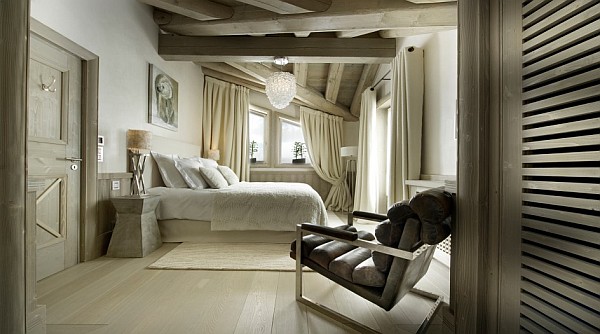
Choosing Lighting Fixtures That Act as Focal Points
When scouting for statement pieces, don’t overlook the ceiling—sculptural pendant lighting as a focal point instantly anchors a room without taking up floor space. Pick one oversized fixture with an organic material like rattan or hand-blown glass; it should contrast with your furniture rather than match it. To get the placement right, hang pendants 30–36 inches above a dining table or 7 feet from the floor in a living area. The trick is letting the light source double as art, so even when turned off, it still drives the eye upward. Choose a warm dimmer switch to soften the glow, and if you’re layering, go bold with one hero piece instead of several small ones.
- Measure your room’s square footage and ceiling height first.
- Select a fixture with a unique silhouette or finish (e.g., matte black, brass, or textured ceramic).
- Position it where sightlines naturally land—entryways, above a coffee table, or beside a fireplace.
- Test the light at night and day to ensure it casts interesting shadows, not just brightness.
Mixing Vintage Finds with New Elements for a Curated Feel
The highest visual return in statement pieces often comes from juxtaposing a singular vintage anchor—a carved walnut console, a brutalist brass lamp—with crisp, contemporary upholstery or matte-black millwork. This curated vintage-new balance prevents a room from feeling like a period reproduction or a sterile showroom. Let the antique carry patina and narrative; let the new piece provide clean lines and scale. Anchor the arrangement with a modern rug to ground the old object, and limit vintage to roughly 40% of the visual mass per vignette. This tension creates depth that purely new or purely old schemes rarely achieve.
How do you prevent a vintage piece from looking like clutter rather than a curated accent? Limit yourself to one or two large vintage items per zone, and pair them with repetitive, simple new elements—like identical modern side tables or a flat, solid-color sofa—so the old object reads as a deliberate focal point, not an accumulation.