
What Does Your Space Really Need? A Simple Style Audit
Transform Your Space: Smart Home Decor Ideas for Every Room
A blank, lifeless room can feel more like a holding cell than a haven, which is exactly where home decor steps in to save the day. By mixing textures, colors, and personal touches, you can turn sterile walls into a story that feels unmistakably yours. The real trick is starting small—think a cozy throw blanket or a statement lamp—then layering pieces until the space naturally invites you to exhale. The best part is that you don’t need a big budget; just a few intentional swaps can instantly make a house feel like the warm, functional retreat you actually want to live in.
What Does Your Space Really Need? A Simple Style Audit
A style audit begins not with catalogs, but with the silence of your own room at dusk. Walk through each corner and ask what gets used daily, not what looks pretty in photos—that stack of coasters, the chair you actually drag to the window. Remove everything that serves no function or feeling, then look at what remains: your coffee cup’s spot, the light that falls on your reading chair. Let those anchors dictate the layout before adding anything new. *A home’s true need is often subtraction, not another accent pillow.* Notice where your hand reaches automatically—that’s the map. If a shelf holds dust, it’s not decor; it’s guilt. Rearrange for your real habits, not aspirational ones, and suddenly the space breathes without a single purchase.
Defining Your Personal Aesthetic Beyond Trends
To define your aesthetic beyond trends, start by cataloging the objects you instinctively keep, not the ones you bought for a season. These are your visual anchors. Ignore Pinterest boards and instead interrogate each piece’s texture, color story, and silhouette; your true style emerges from repeated patterns in those choices. Your personal aesthetic is a consistency of preferences, not a catalog of styles. Test this by removing one trendy item and seeing if the room still feels like yours. If it does, that item was decor, not identity. Commit to a small palette of materials—say, warm oak and raw linen—and reject anything that fights that base. This creates a filter for future purchases, ensuring every addition reinforces your spatial signature rather than diluting it.
How Natural Light and Room Size Should Dictate Your Choices
Before selecting finishes, assess how much sunlight the room receives and its square footage. A north-facing room with weak light demands warm, luminous tones; a sun-flooded south-facing space can handle deeper, matte hues without feeling cavernous. Compact rooms benefit from low-profile furniture and high-contrast accents, while expansive areas require larger-scale pieces to prevent visual emptiness. The interaction between light and volume directly determines finish sheen—glossy surfaces amplify brightness in dim corners, whereas absorbent textures temper glare in bright zones. Scale and luminosity must align with the room’s physical limits.
- Measure light direction first, then choose paint warmth or coolness.
- Use bulky textures only in rooms with ample daylight.
- Opt for reflective materials in small, low-light spaces.
- Balance dark statement walls with generous natural light.
Budgeting for Impact: Where to Spend and Where to Save
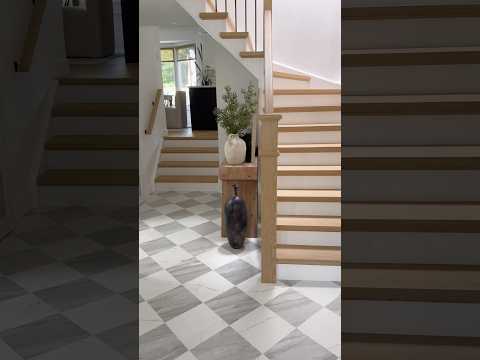
When you’re budgeting for impact, the trick is to splurge on pieces you touch daily—like your sofa or mattress—because high-traffic furniture anchors your whole room. Save on décor that’s purely visual, such as throw pillows, vases, or wall art, where budget-friendly finds look just as good. Start by listing your room’s must-haves, then rank them by daily use. Next, allocate 70% of your budget to those top three items, and keep 30% for quick swaps like lamps or rugs. Finally, resist impulse buys by waiting 48 hours before any non-essential purchase.
Layering Textures and Materials for Depth and Warmth
Layering textures and materials is the definitive way to prevent a room from feeling flat, transforming it into a rich, inviting landscape. Start with a substantial base—a chunky wool rug or a nubby linen sofa—to anchor the space, then build upward with contrasting elements like a smooth leather ottoman or a ribbed ceramic vase. The interplay between rough and smooth is what creates genuine visual interest, so pair a soft velvet throw against a distressed wood coffee table. Warmth emerges when you introduce materials that invite touch, such as knitted cotton, polished stone, and brushed brass, each catching light differently throughout the day. A single woven basket or a suede cushion can subtly shift the room’s energy. Yet, true depth comes not from adding more items, but from deliberately editing each layer so every material has a conversation with its neighbor, ensuring the final composition feels cohesive, lived-in, and undeniably comforting.

Mixing Wood, Metal, and Soft Fabrics Without Clashing
Mixing wood, metal, and soft fabrics without clashing starts with a unifying color story—pick a warm undertone (like walnut, brass, and cream) and let textures carry the contrast. Anchor the room with a large wooden piece, then add metal in slim, functional forms (lamp bases, side table legs) so it doesn’t overpower. Layer in soft fabrics with nubby weaves or bouclé, which naturally absorb the hard edges of metal. The trick is repetition: echo the metal’s finish in small hardware, and mirror wood tones in picture frames. Keep the ratio roughly 60% wood, 25% fabric, 15% metal for a balanced, lived-in feel.
Balancing hard and soft surfaces is your best defense against visual chaos.
Q: How do I mix wood, metal, and soft fabrics without clashing?
A: Limit yourself to one dominant wood tone and one metal finish, then use soft fabrics in neutral, earthy shades to bridge them—think a linen throw over a reclaimed oak bench with black iron legs.
Using Rugs, Throws, and Cushions to Anchor a Seating Area
A rug establishes the physical and visual boundary of a seating area, ensuring furniture feels intentionally grouped rather than floating. Choose a size that allows at least the front legs of sofas and chairs to rest on it, creating a cohesive island. Layer a chunky knit throw diagonally over an armrest to introduce contrasting texture, while cushions in varying scales and fabrics—linen, velvet, wool—add tactile depth without visual clutter. For a polished anchor, place a flat-weave rug beneath a softer, high-pile one, then echo those materials in your cushions for a deliberate, rhythmic composition. Layering textiles for seating depth transforms a functional zone into a warm, inviting focal point.
- Oversized rugs visually enlarge compact seating areas by extending beyond furniture edges.
- Mix cushion fills—firm feather and soft fibre—to vary support and shape retention.
- Use a contrasting border on the rug to define the seating zone against hard flooring.
- Rotate throws seasonally to adjust warmth and textural weight without replacing furniture.
The 60-30-10 Color Rule: Creating a Cohesive Palette Effortlessly
The 60-30-10 rule makes layering textures feel effortless because it gives your eye a clear path through the room. Assign 60% of your palette to a dominant neutral—like warm greige walls or a linen sofa—then 30% to a secondary texture tone, such as a chunky wool rug or leather armchair. The final 10% is your accent pop, applied to small tactile pieces like velvet pillows or a ceramic vase. This balance prevents visual chaos while letting each material shine. Creating a cohesive palette effortlessly means your textured layers never compete, they simply harmonize.
Q: Can I use the 60-30-10 rule with only neutrals?
A: Absolutely! Use 60% off-white, 30% warm taupe, and 10% charcoal—textures like bouclé, oak, and matte black metal will still add depth without a single bold hue.
Selecting Statement Pieces That Do the Heavy Lifting

In home decor, a statement piece should earn its square footage by performing a structural role, not just decorating a shelf. Select oversized art or a sculptural floor lamp that anchors the room’s traffic flow, drawing the eye upward and visually correcting low ceilings. A substantial, live-edge dining table does the heavy lifting by defining the entire zone, eliminating the need for bulky sideboards or extra chairs. Prioritize pieces with dual function—a vintage trunk that serves as both coffee table and concealed storage, or a dramatic pendant that provides primary task lighting over a reading nook. True impact comes from subtraction, where one bold object replaces three mediocre accents. Before purchasing, measure the negative space it will command, ensuring the piece’s mass and silhouette carry the composition without requiring supporting décor. This approach cuts clutter and costs, letting your single investment dictate the room’s rhythm.
Choosing the Right Scale for Artwork and Mirrors
Choosing the right scale for artwork and mirrors begins with measuring the available wall space, not the piece itself; the artwork should occupy roughly two-thirds to three-quarters of the furniture width below it. For a sofa or console, hang a single large mirror or canvas so its edges extend slightly past the furniture’s ends, anchoring the arrangement. In narrow hallways or above beds, a tall, vertical piece emphasizes ceiling height, while a wide panoramic format suits low, long walls. Overly small items get visually swallowed by empty wall area, making even a well-designed room feel unfinished, whereas one oversized piece can eliminate the need for multiple smaller accents. A practical rule is leaving 4–6 inches of breathing room between the frame and adjacent architectural edges. Proportionate wall coverage ensures the statement piece harmonizes with surrounding furnishings.
Q: How do I know if a mirror is too large for my entryway? Place the mirror on the floor against the wall first; if its height exceeds two-thirds of the wall’s total height or its width overtakes the nearest doorway’s trim, it will dominate awkwardly—opt for a size that leaves at least eight inches of clear wall on both sides.
How Lighting Fixtures Transform the Mood of a Room
A single fixture redefines spatial psychology more decisively than any other object. A sculptural pendant casting downward pools of warm light instantly shrinks a cavernous living area into an intimate conversation nook, while a stark, cool-toned linear LED washes walls to visually expand a cramped hallway into boundless depth. The contrast ratio between bright focal points and shadowed corners dictates energy; dramatic uplighting from a floor lamp creates vertical mystery, crisp downlighting generates alertness. Matte black finishes absorb stray luminance, dimming vibrancy, whereas polished chrome bounces photons to amplify cheerfulness. Lighting fixtures transform room mood through this deliberate manipulation of direction, color temperature, and shadow—not decoration, but spatial choreography dictating whether you relax, focus, or socialize.
Blending Vintage Finds with Modern Furniture for Character
Blending vintage finds with modern furniture for character means letting each piece amplify the other instead of competing. Anchor the room with a clean-lined modern sofa, then introduce a carved wooden coffee table or a patinated brass floor lamp to inject instant history. The key is balance: pair one or two aged treasures with contemporary staples, and let the vintage item lead the visual story. To execute this successfully, follow a simple sequence: first, select a modern base piece in a neutral tone. Next, choose a vintage accent that contrasts in material—think leather, rattan, or aged metal. Finally, position them within the same sightline so the juxtaposition reads intentional. This eclectic layering strategy builds depth without clutter.
Maximizing Small Spaces with Clever Styling Tricks
Maximizing small spaces begins with visual weight, not square footage. Choose furniture with exposed legs to let light pass underneath, instantly making floors appear larger. Mount floating shelves high rather than filling floor space, drawing the eye upward and creating storage without bulk. Use one large mirror opposite your primary window; it doubles natural light and tricks the eye into seeing depth. Stick to a monochromatic palette for walls and large upholstery, allowing textures—like linen or bouclé—to add interest without visual clutter. Scale patterns down: a tiny geometric print on cushions works, while oversized florals swallow a room. Every piece must earn its place. For example, a nesting ottoman trio offers seating, footrests, and hidden storage in one footprint. Q: What’s the fastest trick? A: Hang curtains at ceiling height and let them puddle slightly on the floor—it stretches wall height and adds a tailored, luxurious feel.
Vertical Storage Solutions That Double as Display
Turn bare walls into functional art by installing vertical storage solutions that double as display, where slim floating shelves hold stacked ceramics alongside a favorite novel. Opt for ladder-style racks that lean against the wall, offering staggered ledges for trailing plants and framed miniatures without consuming floor area. A pegboard above a desk becomes a living collage, suspending scissors, dried flowers, and tiny mirrors in plain sight. *Choose pieces with contrasting depths—deep cubbies for baskets, shallow rails for prints—to create rhythm rather than clutter.* Wall-mounted wine racks with integrated hooks let bottles and mugs share a sculptural silhouette, while magnetic strips keep spice tins and small tools visually organized.
Creating Visual Separation Without Building Walls

In open-plan areas, define zones with furniture placement rather than construction. Position a sofa’s back to the dining table, or float a slim console behind it to create a psychological corridor. Use area rugs to anchor each function—a wool rug for seating, a flatweave under the table—so the eye registers distinct rooms. Hang a sheer curtain from a ceiling track between zones; when drawn, it offers soft privacy without blocking light, and when open, it disappears completely. For a permanent cue, install a slatted wood screen or oversized planters that break sightlines at hip height. This approach preserves square footage, maintains airflow, and lets you reconfigure your layout instantly as needs shift. Layer lighting per zone—pendants over work areas, floor lamps beside chairs—to reinforce separation after dark.
Furniture Arrangement Tips to Make a Room Feel Larger
To make a room feel larger, prioritize floating furniture away from walls—a few inches of visible floor creates depth. Choose low-profile pieces, like a bench-style sofa, to keep sightlines open. Angle seating toward a focal point, such as a window, to draw the eye outward rather than into cramped corners. Avoid oversized sectionals; instead, use slim-arm chairs and a glass-top coffee table to reduce visual bulk. Place taller shelving against the narrowest wall to emphasize ceiling height. Leaving homebrella.com a clear path behind seating, even if narrow, tricks the eye into perceiving more square footage.
| Tip | Effect |
|---|---|
| Float furniture | Adds floor visibility |
| Low-profile seating | Keeps eye level low |
| Glass or open tables | Reduces visual weight |

Maintaining and Refreshing Your Decor Over Time
Refreshing your decor doesn’t demand a full overhaul—it thrives on **strategic, seasonal shifts** that keep your space feeling alive. Rotate throw pillows, blankets, and area rugs to introduce new textures and colors without replacing furniture. Reupholstering or slipcovering high-traffic pieces like sofas can extend their life while updating their silhouette, a cost-effective alternative to buying new. Maintain finishes by dusting wood with a dry cloth and using coasters to prevent water rings, then revive tired surfaces with a monthly polish. Swap wall art and shelf vignettes every few months, pulling pieces from other rooms for a fresh perspective. Finally, rearrange the layout—angling chairs or moving a console to a new wall changes traffic flow and perceived space. These small, deliberate actions ensure your decor evolves with your tastes while preserving the quality of what you already love.
Seasonal Swaps That Require Minimal Effort and Cost
Refreshing a home seasonally doesn’t demand a budget overhaul. Focus on **high-impact, low-effort decor rotations** that leverage items you already own. Switch heavy throw blankets for lightweight linen ones, and swap dark, textured cushions for brighter solids—both changes take under five minutes. Similarly, replace opaque lamp shades with sheer alternatives to alter ambient light, or rotate framed prints and shelf ceramics to introduce new visual anchors. These swaps alter spatial perception without re-arranging furniture. Prioritize storage transparency: keep off-season items in labeled bins near their use location to make the transition a ten-minute task, not a weekend project.
- Rotate cushion covers and throws by fabric weight and color palette
- Swap lamp shades or bulb tones to shift room warmth instantly
- Cycle decorative objects from storage to front surfaces using existing shelving
- Change table runners or placemats to reflect seasonal textures
Cleaning and Caring for Different Material Finishes
Different finishes demand specific care; a matched approach preserves both integrity and appearance. For unlacquered brass, regularly wipe with a damp cloth and mild soap, then dry thoroughly to prevent water spots—allow natural patina to develop or use a dedicated metal polish for a high shine. Wood surfaces require distinction: oiled finishes benefit from periodic reapplication of mineral oil, while lacquered pieces should be cleaned with only a slightly damp microfiber cloth to avoid stripping the seal. Natural stone like marble is porous; use pH-neutral cleaners exclusively, and blot spills instantly to prevent etches. For maintaining decor finishes, always test any cleaner on an inconspicuous area first, and avoid abrasive pads or vinegar on stone, as acids dull the polish. Q: How do I remove water rings from a polyurethane-coated table? A: Gently buff the area with a soft cloth and a tiny dab of non-gel toothpaste, moving with the grain; wipe clean and immediately reapply a thin coat of furniture wax for protection.
When to Rotate Pieces vs. When to Invest in Something New
Rotate accessories like throw pillows, art, or lamps seasonally to refresh a space without spending, but invest in new anchor furniture pieces only when they no longer function or clash with your layout. If a coffee table still works but feels tired, rotate decor on it—don’t replace it. Conversely, buy a new sofa when cushions sag beyond revival or its scale overwhelms a reconfigured room. Rotate when you crave novelty; invest when utility or proportion fails. A simple test: can you fix the issue with a swap within 30 minutes? If yes, rotate; if the problem is structural, invest.