
What Exactly Comes in a Bottle of Premade Cocktail?
The Best Pre-Made Cocktails for Effortless Home Entertaining
Have you ever craved a perfectly balanced cocktail but felt too drained to muddle, shake, and measure? Pre-made cocktails are your gracious shortcut—professionally crafted blends of spirits, juices, and bitters, bottled at their peak so you simply pour and enjoy. Just chill the bottle, pour over fresh ice, and add a garnish if you like, saving your energy for the actual moment of unwinding. They take the guesswork out of happy hour, delivering consistent, bar-quality flavor with zero effort or cleanup.
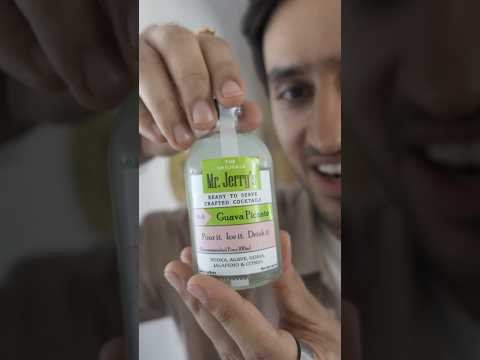
What Exactly Comes in a Bottle of Premade Cocktail?
A bottle of premade cocktail is essentially the full drink, minus the ice and garnish. It contains the spirit base, modifiers, and flavorings already measured and mixed, so you don’t need to buy separate bottles of bitters, liqueurs, or syrups. You’ll find the exact proportions of, say, gin, sweet vermouth, and orange bitters for a Martini, already blended. Most also include a small amount of water or a dilution agent to mimic the stirring or shaking process, keeping the texture right when you pour it over ice. Some bottles include natural citrus oils or preserved fruit extracts for freshness, but real juice is rare due to shelf life.
The key insight: a bottle is a finished recipe, not a concentrate—you add nothing but cold.
Just shake or stir with ice, strain, and it tastes like a bartender made it.
Decoding the ABV: How Strong Are These Drinks Really?

Decoding the ABV: How Strong Are These Drinks Really? comes down to reading between the lines of the label. A premade cocktail’s alcohol by volume typically sits between 5% and 15%, but this number can be deceiving—it reflects the *finished* drink, not the base spirit. A 12% ABV canned Negroni packs nearly the same punch as a glass of wine, while a 5% spritz mimics light beer. To gauge true intoxication, compare the ABV against the serving size; a 375ml can at 15% equals roughly 2.5 standard shots. Understanding ABV in canned cocktails prevents accidental overconsumption. Dilution matters too—premixed drinks often swap water for extra ice, hiding a lower kick.
Q: How strong are these drinks really versus a classic pour?
A: Usually equivalent—a 10% ABV 200ml cocktail matches one standard martini’s alcohol content, so never assume “premade” means weaker.

Fresh Juice vs. Shelf-Stable Mixers: What’s Inside the Can?
When examining fresh juice vs. shelf-stable mixers, the primary distinction lies in preservation method. Fresh juice in a canned cocktail offers vibrant, volatile aromatics and a thinner mouthfeel, but its enzymes and polyphenols degrade rapidly, often requiring a short “best-by” window and cold-chain logistics. Shelf-stable mixers, by contrast, use heat pasteurization or chemical inhibitors (like potassium sorbate) to halt fermentation, sacrificing delicate top notes for a consistent, neutral base. This process also strips natural pectin, so stabilizers like xanthan gum are added to restore body. In a can, you are tasting either a snapshot of fresh produce at its peak, or a constructed, durable approximation designed for months of storage.

Fresh juice delivers fleeting, nuanced flavor with a short lifespan; shelf-stable mixers guarantee durability and uniformity, replacing perishable complexity with engineered consistency.

How to Serve a Pre-Batched Drink So It Tastes Like a Bartender Made It
The key is finished texture, not just cold liquid. Before pouring, shake your pre-batched cocktail with fresh ice for ten seconds—this adds the crucial dilution and aeration that make it taste “made,” not bottled. Serve it in a chilled coupe or rocks glass with one large clear cube, and always garnish right before sipping: a twisted orange oil expressed over a Negroni, or a single expressed lime coin for a margarita. The secret is finishing the drink like a bartender does—fresh citrus and a final stir. Should you ever serve it over the same ice it was stored with? No—always dump the batch into a fresh glass with new ice, since melted dilution and tired cubes will flatten the flavor profile instantly. That final visual and aromatic pop is what separates a home pour from a professional pick-me-up.
Shaken or Stirred? Quick Techniques for Chilling Without Diluting
For pre-batched drinks, shaking adds dilution and aeration, but stirring preserves a velvet texture—so choose based on the cocktail’s spirit base. To chill without watering down, keep your batch at freezer-proof strength, then agitate with a single large ice cube in a mixing glass for just 10–15 seconds. For citrus-forward mixes, a quick 5-second shake with cracked ice wakes up brightness, then strain immediately. Chilling a glass beforehand is often the quietest way to drop temperature without touching the liquid. Follow this sequence: pre-chill the serving vessel, stir spirit-only batches, shake citrus batches, and always taste for dilution before pouring.
Ice, Garnish, and Glassware: The Three Upgrades That Make It Pop
For a pre-batched cocktail, the final pour is only half the experience. Ice, garnish, and glassware upgrades bridge the gap between bottled convenience and bar-counter craft. Serve over one large, clear ice cube rather than crushed or fridge-diced pieces; it melts slower, preventing dilution before the drink is finished. Chill the glassware in a freezer for at least ten minutes so the pour stays cold without weakening. A single, freshly expressed citrus twist or a dehydrated wheel adds aromatic oils and a visual cue of care. Select a stemmed or heavy-bottomed glass that matches the drink’s original serve—coupe for stirred, highball for fizzy—and wipe the rim dry before placing it down. These three tactile adjustments transform a poured bottle into a deliberate, presentable cocktail.
One large cube, a chilled vessel, and a fresh, purposeful garnish are the only upgrades needed to make a pre-batched drink taste and look professionally poured.
Which Style of Ready-to-Drink Cocktail Fits Your Night?
Your night dictates the perfect ready-to-drink cocktail style. For a low-key Netflix evening, choose a canned highball—crisp, low-ABV, and sippable without commitment. Hosting a dinner party? A bottled Negroni or Manhattan in a premium glass bottle delivers barrel-aged depth that impresses guests instantly, minus the shaker. Heading to a backyard barbecue? Grab a citrus-forward margarita in a pouch or can—bright, salty, and built for ice-cold gulps between conversations. If you’re dancing or gaming late, opt for a sparkling vodka soda with fruit extract; it’s light enough to pace yourself yet flavorful enough to feel celebratory. The golden rule: match intensity to your energy. Pre-made cocktails now mirror bartender builds, so trust the format that matches your vibe—fizz for fun, stirred for sophistication, and always chilled.
Carbonated Cans vs. Still Bottles: When to Grab Which
For fizzy drinks like a Tom Collins or Paloma, carbonated cans are the grab-and-go choice—they preserve the crisp bubble structure until you pop the top, and the sealed pressure keeps the cocktail’s carbonation lively for a single-session pour. Still bottles, by contrast, suit stirred or spirit-forward recipes (an Old Fashioned or Negroni) where effervescence would dilute the texture and mute the botanicals. If you’re mixing a batch for sharing over ice, a still bottle lets you pour exact portions without foam loss; a can is better for impatient sipping. Carbonation retention is the deciding factor: wet, acidic, or citrus-heavy drinks degrade in still form, while oak-aged or herbal profiles hold up better without gas.

Single-Serve Pouches vs. Large-Format Bottles for Parties
For parties, single-serve pouches vs. large-format bottles really comes down to flow. Pouches win for mingling—guests grab one, sip, and toss it without hovering at a bar. Large bottles shine for seated dinners or cocktail hours where you can pour into ice-filled glasses. If you’re mixing a big batch, bottles keep drinks colder longer, but you’ll juggle cups and spills. Pouches eliminate glassware entirely, though they create more trash. A quick decision path:
- Count guests—over ten, bottles pour faster.
- Check space—pouches fit in coolers or back pockets.
- Pick cleanup—no glasses means pouches; easy refills mean bottles.
For a laid-back crowd that keeps moving, pouches feel effortless; for a sit-down vibe, bottles feel classier.
How Long Do Opened Premixed Cocktails Actually Last in the Fridge?
Opened premixed cocktails typically last **3 to 5 days in the fridge**, but the exact window hinges on ingredients and long island iced tea preservatives. Citrus-heavy mixes degrade fastest—expect noticeable flavor flattening by day three, as fresh juice oxidizes and turns bitter. Sugar and high-acidity formulations hold slightly longer, while dairy or cream-based pre-made cocktails risk spoilage within 48 hours regardless of refrigeration. Carbonated varieties lose fizz within a day, though they remain safe to drink for the full window. Always sniff and taste before pouring; an off aroma or sour bite signals bacterial activity. For best quality, consume within **3 days of opening** and reseal tightly after each pour to minimize oxygen exposure.
Spotting the Signs a Ready-to-Serve Drink Has Gone Bad
After opening, a premixed cocktail’s degradation is often visible before it is tasted. Check the liquid’s clarity first: spoiled ready-to-serve drinks frequently turn cloudy or develop a sediment layer that does not re-dissolve with gentle shaking, signaling microbial growth. Next, inspect the surface for a thin film, tiny bubbles, or a ring of residue at the neck—classic indicators of fermentation or yeast activity. Then, smell the opening: a sharp, vinegary, or sourly “off” note replaces the intended citrus or spirit aromatics, whereas a dull, cardboard-like scent suggests oxidation. Finally, pour a small amount; if it appears fizzy when it should be still, or leaves a slimy coat on the glass, discard it immediately. Do not rely on taste, as harmful bacteria can be present without a foul flavor.
Trust your eyes and nose first: cloudiness, film, sediment, sour odor, or unexpected fizz are definitive signs a ready-to-serve drink has gone bad; taste is the last, unreliable checkpoint.
Can You Freeze Leftover Batched Cocktails for Later?
Yes, you can absolutely freeze leftover batched cocktails, but only if they lack dairy, fresh citrus, or carbonation. High-proof spirits like whiskey or rum freeze solid only at very low temperatures, so your mix will become a slushy, concentrated block rather than a rock. This makes freezing batched cocktails for later a smart move for extending shelf life by months. Pour portions into freezer-safe containers, leaving headroom, then thaw overnight in the fridge; stir vigorously to re-integrate separated ingredients. Avoid freezing vermouth-heavy drinks—their delicate botanicals degrade. If your batch has citrus, freeze juice separately and add post-thaw.
How to Pair Pre-Mixed Drinks with Food Without Overpowering the Meal
When pairing pre-made cocktails with food, prioritize drinks whose dominant flavor profile complements rather than competes with the dish’s core ingredients. A citrus-forward canned margarita works best with lighter fare like grilled fish or ceviche, while a smoky mezcal-based premix suits roasted meats but can overwhelm delicate seafood—so match intensity levels by considering the cocktail’s alcohol and sugar content. Choose a low-proof, dry pre-mixed spritz for salty appetizers, as the bubbles cut richness, but avoid sweet, viscous premixes alongside spicy or acidic meals, as they amplify heat and clash. Always taste the cocktail alone first to identify its strongest note, then select a dish that echoes that note with a lighter hand, such as a hibiscus cooler beside a mild goat cheese salad. If the premix is high in ABV, dilute it with soda water to keep its flavor from dominating every bite. Bitter pre-made cocktails, like an Aperol-based blend, require dishes with enough fat or umami to balance their edge, rather than simply matching them with other bitter elements. Finish with a neutral, effervescent premix if dessert is savory, never sweet.
Light and Citrusy Options for Seafood and Salads
For seafood and salads, choose pre-mixed cocktails built on light citrus bases like yuzu, lime, or grapefruit, which mirror the acidity of vinaigrettes without masking delicate fish. A bottled margarita with fresh lime works alongside grilled shrimp, while a sparkling shandy or citrus-forward spritz cuts through creamy dressings on a Caesar salad. Avoid heavy syrups or dark spirits, as they coat the palate and dull the brightness of raw greens or ceviche. The trick is matching intensity: a subtle lemon-thyme gimlet pairs with poached salmon, but a bold orange-bitters mix suits a robust tuna Niçoise.
Q: What is the best pre-made citrus cocktail for a light seafood salad?
A: Choose a low-sugar gin or vodka-based option with muddled cucumber and lime—its clean, zesty profile enhances oysters or a citrus-tossed arugula salad without competing for attention.
Bold, Spirited Blends That Stand Up to Grilled Meats and Cheese
For grilled meats and cheese, pre-made cocktails with a bold, spirited base—think smoked mezcal, rye whiskey, or dark rum—provide the necessary structural counterweight to char and fat. Their high alcohol and intense botanical profiles cut through the smoky crust of a ribeye or the creamy density of aged cheddar, rather than vanishing. A pre-bottled Manhattan or a spicy paloma with a chili tincture works because its bitterness and peppery heat echo the Maillard reaction, creating a symbiotic flavor loop. The acid in these blends also cleanses the palate between bites, prepping it for the next rich mouthful. High-proof blends are essential; lower-ABV mixers get overpowered by the food’s aggressive umami and grease.
Q: Why won’t a light, fruity cooler stand up to a charred burger with blue cheese?
A: Its delicate profile is instantly crushed by the burger’s smoky, salty, and funky intensity, leaving only a watery, sweet residue—whereas a bold blend’s assertive spice and oak maintain their presence and actually enhance the meat’s crusty savor.